
With industrial intelligence and green energy conservation becoming mainstream trends, permanent magnet synchronous motors (PMSMs) are gradually replacing traditional motors as the preferred power source for many devices due to their core advantages of high efficiency, energy saving, and stability. However, many users easily fall into the misconception that “the higher the parameters, the better” or “blindly following the trend and choosing high-end models.” In fact, the key to selection lies in “precise matching”—different working conditions and different equipment have vastly different motor requirements. Choosing the right motor can reduce costs and increase efficiency, while choosing the wrong one may lead to wasted performance or frequent malfunctions. Below, we will start from the core logic of selection, key suitable scenarios, and key points to avoid pitfalls to help you quickly find the right permanent magnet synchronous motor for your needs.
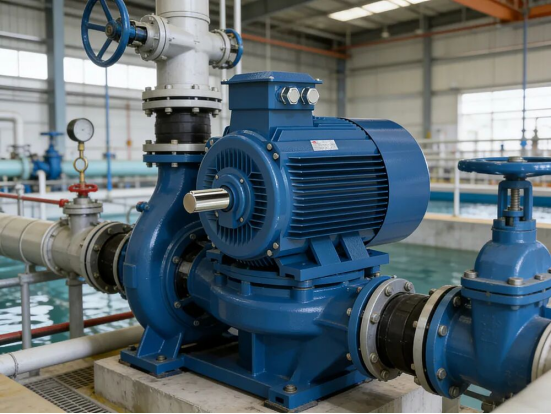
Core Selection Guide: Focus on 3 Key Aspects, Avoid Blindly Following Trends
The core of permanent magnet synchronous motor selection is “matching actual needs.” Don’t chase after high-parameter specifications; focus on 3 key dimensions to quickly find the right fit:
1. Define Load and Operating Characteristics
Is it for continuous, stable operation (e.g., fans, pumps), or frequent starts, stops, accelerations, and decelerations (e.g., robots, machine tools)? For continuously operating equipment, focus on “continuous efficiency.” For equipment with frequent starts and stops, pay attention to “peak torque” and “dynamic response speed” to avoid long-term overload leading to failure.
2. Match Environment and Installation Conditions
Is space limited? For equipment like new energy vehicles and drones, prioritize lightweight models with high power density. For humid, dusty, or high-temperature environments (e.g., chemical workshops, outdoor equipment), choose models with an IP65 or higher protection rating and temperature and corrosion resistance to prevent magnet demagnetization or motor damage.
3. Consider System Compatibility
The motor must be compatible with the driver and control system. The control method (e.g., vector control) and voltage/current range must match. Don’t blindly choose high-end control systems; basic drivers are sufficient for ordinary equipment, reducing costs.
II. Core Application Scenarios: Selecting the Right Motor Based on Operating Conditions for Precision and Avoidance of Waste
The advantages of permanent magnet synchronous motors are more pronounced in specific scenarios. Don’t get bogged down in industry-specific details; simply choose the motor based on your core operating conditions:
1. Energy-Saving Retrofit Scenarios
(General Equipment such as Fans, Pumps, and Compressors)
These devices are major industrial energy consumers, with the core requirement being cost reduction and energy saving. Permanent magnet synchronous motors are 15%-25% more efficient than traditional asynchronous motors, maintaining a power factor above 0.9 year-round, significantly reducing electricity costs. When selecting a model, don’t pursue complex functions; prioritize high-efficiency models of IE5 level or higher to ensure high efficiency within commonly used load ranges (such as the stable flow and pressure range of water pumps). The investment payback period is typically 1-3 years.
2. High-Precision Control Scenarios
(Machine Tools, Robots, Automated Production Lines)
These devices require precise speed control and rapid response. For example, machine tool processing requires accurate positioning, and robot joints need to be flexible and delay-free. Permanent magnet synchronous motors (PMSMs) offer high-speed accuracy and smooth operation. When paired with a standard encoder, they can meet most high-precision requirements. When selecting a PMSM, focus on “dynamic response speed” and “operational stability” to avoid vibration or positioning deviations, thus helping equipment improve processing efficiency and product yield.
3. Lightweight and High-Efficiency Scenarios
(New Energy Vehicles, Energy Storage Equipment, Small Equipment) For equipment with strict space and weight requirements, PMSMs offer significant advantages in “small size and high power.” They are 20%-30% lighter than traditional motors, saving installation space and reducing overall equipment energy consumption. When selecting a PMSM, focus on “power density” and “range adaptability.” For example, new energy vehicle motors need to balance high-speed performance and low-speed torque, while energy storage equipment motors need to ensure stable operation over long periods and adapt to a wide voltage range.
4. Harsh Working Condition Scenarios
(Outdoor Equipment, Chemical Machinery, Mining Machinery) These types of equipment face complex environments such as high temperatures, dust, and corrosion. The core requirement is “durability and reliability.” When selecting a motor, prioritize motors with high protection ratings (IP67 and above) and those using high-temperature resistant permanent magnet materials. Also, pay attention to the motor’s sealing performance and impact resistance to avoid magnet demagnetization or motor failure due to environmental factors, thus extending the equipment’s service life.
III. Selection Pitfalls: Avoid These 4 Common Mistakes
1. Blindly Pursuing High Power: Only allow for a 10%-30% safety margin based on the actual load. Excessive power not only increases procurement costs but also reduces operating efficiency, resulting in waste.
2. Ignoring Environmental Impact: Choosing a motor with a standard protection rating in humid or high-temperature environments can easily lead to malfunctions later, increasing maintenance costs.
3. Ignoring System Compatibility: Buying a motor without a matching driver may result in the motor failing to operate normally or achieve the expected performance.
4. Only Considering Initial Cost: While permanent magnet synchronous motors are slightly more expensive than traditional motors, their energy-saving benefits allow for a quick return on investment, making them more cost-effective in the long run. Don’t choose an inefficient model just to save money.
IV. Summary: The Key to Selection is “Compatibility,” Not “High-End”
There are no absolutely “good” or “bad” permanent magnet synchronous motors, only “suitability.” For continuously operating general-purpose equipment, choose a high-efficiency basic model for the best cost-performance ratio; for equipment with high precision and high dynamic requirements, focus on response speed and stability; for space-constrained or harsh environments, focus on power density and protection rating. When selecting a motor, first clarify your own operating conditions (load, environment, installation space), and then match the core characteristics of the motor to avoid being overwhelmed by complex parameters. If you are unsure, you can provide the supplier with detailed operating conditions and have a professional team develop a solution that meets performance requirements while avoiding unnecessary cost increases.

